

The Importance of Art in Early Childhood Education
- Roseson Studios

- Nov 24, 2025
- 3 min read
Updated: May 9
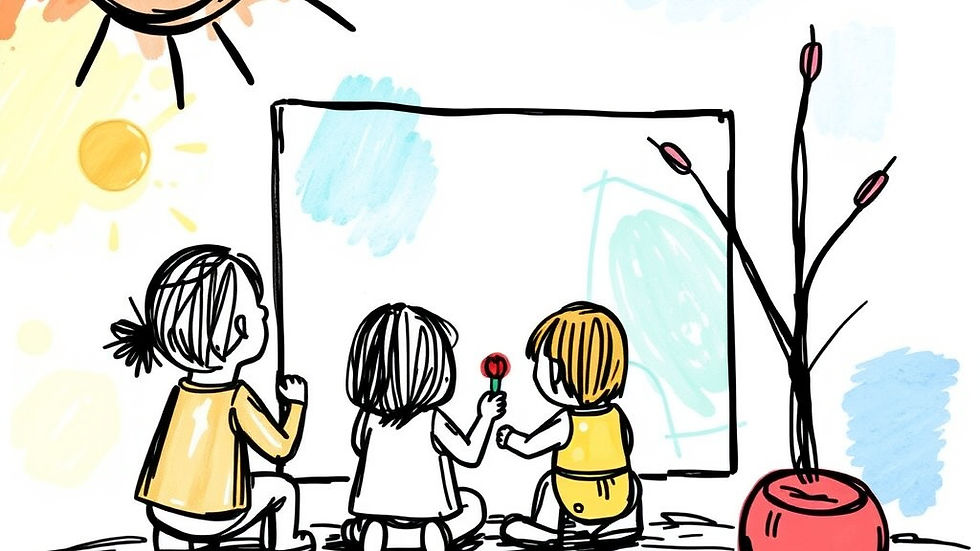
Art plays a vital role in early childhood education. It offers more than just a creative outlet for young learners; it supports their overall development and learning in meaningful ways. Introducing art activities in early education settings helps children build essential skills that extend beyond the classroom. This post explores why art matters in early childhood and how it benefits young learners.
How Art Supports Cognitive Development
Art encourages children to think critically and solve problems. When children engage in drawing, painting, or sculpting, they make decisions about colors, shapes, and materials. These choices stimulate their brains and promote cognitive growth.
For example, a child deciding how to mix colors to create a new shade is practicing experimentation and observation. This hands-on learning helps develop skills like:
Attention to detail
Cause and effect understanding
Memory and concentration
Art also introduces early math concepts. Counting beads for a necklace or sorting crayons by color helps children grasp numbers and categorization naturally.
Enhancing Language and Communication Skills Through Art
Art activities provide children with new ways to express themselves. Young learners often find it easier to communicate feelings and ideas through images rather than words. This is especially true for children who are still developing verbal skills.
When children describe their artwork, they practice vocabulary and storytelling. Teachers and caregivers can encourage this by asking open-ended questions such as:
What is happening in your picture?
How did you decide to use these colors?
Can you tell me a story about your drawing?
These conversations build language skills and confidence in communication.
Building Social and Emotional Skills with Art
Art fosters emotional development by allowing children to explore and express their feelings safely. Creating art can be calming and help children manage emotions like frustration or excitement.
Group art projects also teach cooperation and sharing. When children work together on a mural or collage, they learn to:
Take turns
Listen to others’ ideas
Collaborate toward a common goal
These social skills are crucial for success in school and life.
Developing Fine Motor Skills Through Artistic Activities
Manipulating art materials strengthens fine motor skills, which are essential for tasks like writing and buttoning clothes. Activities such as cutting paper, holding a paintbrush, or molding clay improve hand-eye coordination and dexterity.
For instance, using scissors to cut shapes requires control and precision. These movements prepare children for more complex tasks as they grow.
Encouraging Creativity and Imagination
Art nurtures creativity by inviting children to explore new ideas and experiment without fear of mistakes. This freedom boosts imagination and innovation, qualities that benefit learning across all subjects.
When children create art, they learn that there is no single "right" answer. This mindset encourages curiosity and a willingness to try new things.
Practical Tips for Incorporating Art in Early Childhood Education
Educators and parents can support young learners by making art a regular part of daily routines. Here are some practical ideas:
Provide a variety of materials like crayons, paints, clay, and recycled items
Set up a dedicated art space that invites exploration
Encourage open-ended projects rather than focusing on perfect results
Integrate art with other subjects, such as drawing plants during a science lesson
Display children’s artwork to celebrate their efforts and boost self-esteem
Art as a Tool for Inclusive Learning
Art activities can be adapted to meet the needs of all children, including those with disabilities or language barriers. Visual and tactile experiences make learning accessible and engaging for diverse learners.
For example, using textured materials or large paintbrushes can help children with fine motor challenges participate fully. Art also offers a universal language that connects children from different backgrounds.
The Lasting Impact of Art in Education
The benefits of art in early childhood education are profound. It shapes not only the skills children develop but also their attitudes toward learning. Art fosters a love for creativity that can last a lifetime.
By integrating art into daily learning, we ensure that children grow into well-rounded individuals. They become critical thinkers, effective communicators, and empathetic peers. This holistic approach to education prepares them for future challenges.
In conclusion, art is not just an activity; it is a fundamental part of early childhood education. It supports cognitive, emotional, and social development. I encourage educators and parents to embrace art as a vital tool in nurturing young minds.
For those looking to enhance their home decor with unique art pieces, consider exploring the diverse collections at Roseson Studios. They offer a range of high-quality art prints that can inspire creativity in your living space.

$50
Product Title
Product Details goes here with the simple product description and more information can be seen by clicking the see more button. Product Details goes here with the simple product description and more information can be seen by clicking the see more button

$50
Product Title
Product Details goes here with the simple product description and more information can be seen by clicking the see more button. Product Details goes here with the simple product description and more information can be seen by clicking the see more button.
$50
Product Title
Product Details goes here with the simple product description and more information can be seen by clicking the see more button. Product Details goes here with the simple product description and more information can be seen by clicking the see more button.


Comments