

The Evolution of Nude Art: A Timeless Exploration

Updated: Apr 10
Introduction: The Human Body as Art
The nude has been one of the most powerful and timeless subjects in art history. From ancient civilizations to modern conceptual works, artists have used the human body to explore beauty, spirituality, power, identity, and emotion. Understanding the history of nude art reveals not just artistic evolution—but also how societies viewed the human body across time.
🏺 1. Prehistoric & Ancient Art (30,000 BCE – 500 CE)
Key Characteristics:
Symbolic and fertility-focused
Idealized body forms
Religious and mythological significance
Highlights:
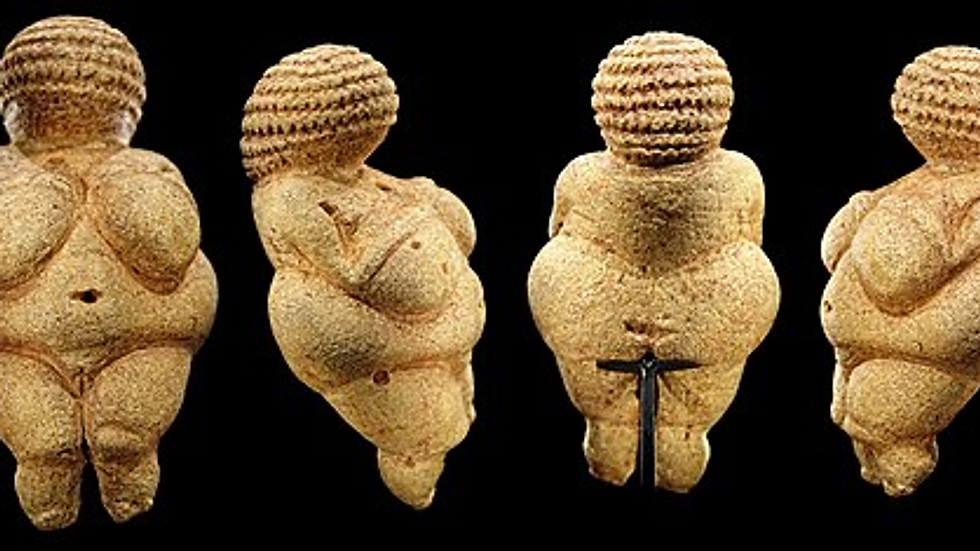
Early figures like the Venus of Willendorf emphasized fertility and survival. Ancient Greek artists perfected ideal human proportions. The first realistic nude sculptures appeared in Greece.
Influential Artists:
Praxiteles
Polykleitos
🏛️ 2. Classical Antiquity (500 BCE – 400 CE)
Key Characteristics:
Celebration of physical perfection
Balance, harmony, and proportion
Introduction of contrapposto pose
Why it mattered:
This period defined the ideal human form, influencing art for centuries.

⛪ 3. Medieval Period (400 – 1400)
Key Characteristics:
Nude art declined
Body seen as sinful or symbolic
Focus shifted to religion over realism
Insight:
Nudity was only shown in biblical contexts, like Adam and Eve, often with moral meaning.

🎨 4. Renaissance (1400 – 1600)
Key Characteristics:
Rebirth of classical ideals
Scientific study of anatomy
Humanism and beauty
Legendary Artists:
Michelangelo
Leonardo da Vinci
Sandro Botticelli
Breakthrough:
The nude became a symbol of divine perfection and human potential.

🖌️ 5. Baroque & Rococo (1600 – 1800)
Key Characteristics:
Dramatic lighting (chiaroscuro)
Movement and emotion
Sensual, luxurious bodies
Influential Artists:
Peter Paul Rubens
François Boucher

🧠 6. 19th Century (Realism & Impressionism)
Key Characteristics:
Real-life bodies (not idealized)
Social commentary
Breaking classical rules
Key Artists:
Édouard Manet
Edgar Degas
Turning Point:
Nude art became modern, bold, and sometimes controversial.

🎭 7. Modern Art (1900 – 1970)
Key Characteristics:
Distortion and abstraction
Emotional expression over realism
Breaking all traditional rules
Key Artists:
Pablo Picasso
Henri Matisse
Amedeo Modigliani
🌐 8. Contemporary Art (1970 – Present)
Key Characteristics:
Identity, gender, and body politics
Body positivity and realism
Mix of digital + traditional media
Trends Today:
Nude art is used for self-expression and storytelling. Artists combine traditional painting + digital formats (NFTs, AI, mixed media).
📈 Why Nude Art Still Matters Today
Nude art represents human truth and vulnerability. It connects classical mastery with modern ideas. It remains one of the strongest forms of artistic expression. For collectors and creators, nude art is not just aesthetic—it’s timeless and valuable.
The Impact of Nude Art on Society
Nude art has always sparked conversations. It challenges societal norms and perceptions of beauty. Artists use the human form to address issues like identity and body image. This dialogue is crucial in today's world. It encourages us to reflect on our own views and biases.
The Future of Nude Art
As we move forward, nude art will continue to evolve. New technologies will shape how artists create and share their work. Digital platforms enable wider access to diverse expressions of the human body. This accessibility will foster a richer dialogue around art and identity.
✨ Conclusion
From ancient fertility figures to modern conceptual works, nude art has evolved alongside human civilization. It is not just about the body—it is about identity, emotion, philosophy, and the essence of being human. The journey of nude art reflects our collective history and ongoing quest for understanding.

$50
Product Title
Product Details goes here with the simple product description and more information can be seen by clicking the see more button. Product Details goes here with the simple product description and more information can be seen by clicking the see more button

$50
Product Title
Product Details goes here with the simple product description and more information can be seen by clicking the see more button. Product Details goes here with the simple product description and more information can be seen by clicking the see more button.
$50
Product Title
Product Details goes here with the simple product description and more information can be seen by clicking the see more button. Product Details goes here with the simple product description and more information can be seen by clicking the see more button.


Comments